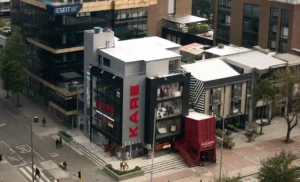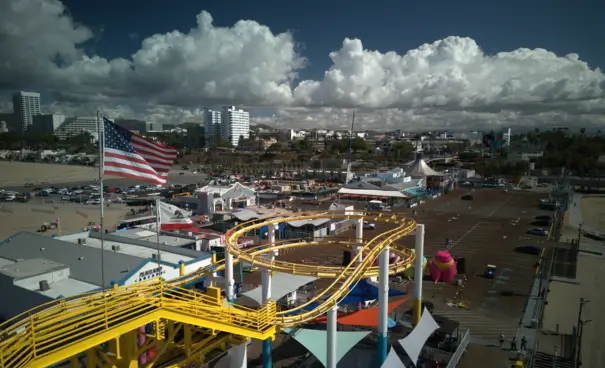
Commercial aerial photography gives brands a perspective that ground-level images can’t. By showing scale, context, and movement, drone imagery helps businesses communicate value faster, especially in competitive and visually driven markets.
That shift in perspective is the reason commercial aerial photography has moved from a “nice extra” to a core marketing asset for brands competing in visually crowded spaces. It helps you communicate value faster, especially when scale, location, or atmosphere is part of what makes your offering interesting.
At GC Event Studio, we approach every aerial shoot as a marketing asset first and a technical production second. Every flight is planned around your brand goals, your audience, and real-world usage across digital and offline channels.

What Is Commercial Aerial Photography?

Commercial aerial photography refers to professionally produced drone images or videos used for business purposes. Unlike recreational drone shooting, it is planned around brand usage, compliance, and deliverables that support marketing and communications.
At GCES, this means aerial visuals are designed to integrate seamlessly with:
- Campaign concepts
- Website layouts and landing pages
- Event and experiential activations
Common industries include:
- Real estate & property development
- Construction & infrastructure
- Retail, hospitality & tourism
- Events & experiential marketing
Commercial vs. Recreational Drone Photography
Recreational: hobbyist flight, no client deliverable, FAA Recreational Flyer rules, no commercial usage rights for the footage.
Commercial: FAA Part 107 licensed pilot, scoped brief, Certificate of Insurance for the venue, deliverables formatted for specific channels, contracted usage rights. The kind of paperwork procurement actually asks for.
How Brands Use Commercial Aerial Photography

Aerial visuals rarely live in just one place. Done well, the same shoot can feed your homepage hero, a campaign launch reel, an investor deck, and a paid social ad, all from a single afternoon of flying.
That reuse is exactly why aerial photography for brands has become a smart investment rather than a luxury line item.
Where the footage lives in practice:
| Use case | How it’s used | Why it matters |
|---|---|---|
| Websites & landing pages | Hero banners, section visuals | Instantly communicates scale & credibility |
| Social media & ads | Short clips, overhead shots | Higher engagement in crowded feeds |
| Corporate decks & reports | Location and asset overviews | Improves clarity for stakeholders |
| Video campaigns | Dynamic transitions & reveals | Adds cinematic quality to storytelling |
Notice that none of those use cases is “post the raw drone clip on Instagram.” Each one has a job, an audience, and a frame size.
GC Event Studio often works with brands at the planning stage, making sure aerial shots align with how the visuals will ultimately be used, rather than treating them as standalone images. When the shot list is built around the campaign brief instead of the other way around, the same footage stretches further across channels.
Commercial Aerial Photography Use Cases by Industry
Different industries care about different deliverables. A real estate marketer wants context. A construction firm wants documentation. An event brand wants atmosphere. The drone is the same; the brief is not.
The general principles transfer across industries. The specifics don’t. What real estate needs from an aerial shoot looks different from what a festival needs, which looks different from what a construction client needs. Three of the categories that come up most often:
Real Estate & Property Marketing
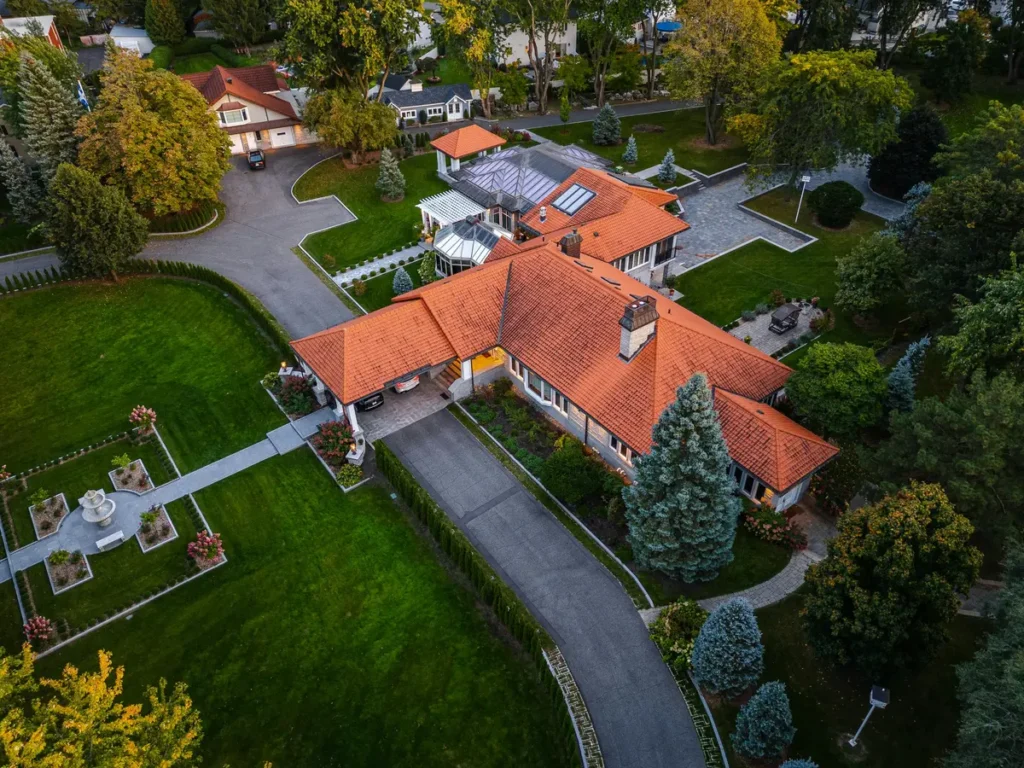
Aerial shots help buyers understand location, surroundings, and property scale, which is especially important for commercial buildings, land plots, and premium developments.
A static ground photo of a building tells you what it looks like. A drone shot tells you where it sits, how it relates to neighboring assets, and how easy it is to access. For premium listings, that contextual story is often the difference between a “let’s see it in person” call and a polite pass.
How does that translate into marketing leverage? Aerial imagery becomes the visual that gets investors and tenants to take a meeting before they ever set foot on site.
Construction & Infrastructure
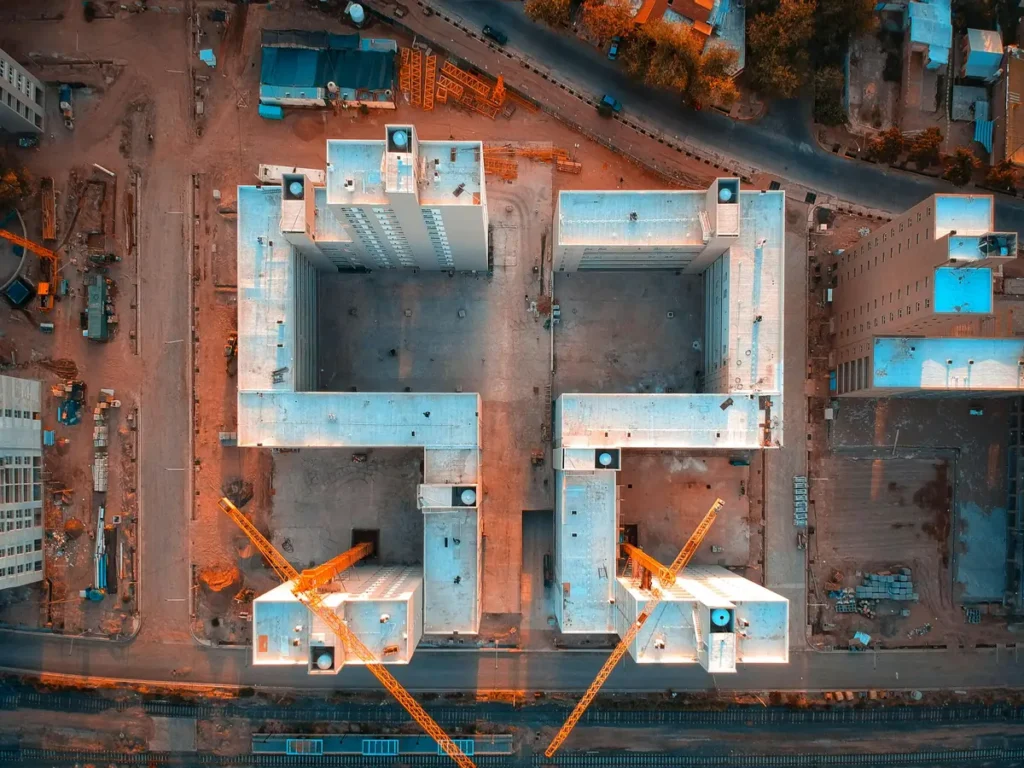
For construction and infrastructure companies, drone photography does double duty. It documents progress month over month, and it produces marketing-ready visuals once a project wraps.
The same flight can deliver:
- Progress shots for stakeholder reports and bid packages
- Before-and-after angles for case studies
- Wide site overviews for portfolio pages and investor decks
That kind of asset library is hard to build any other way. Ground photography just cannot show the scope of a multi-acre site as cleanly.
Events, Retail & Hospitality
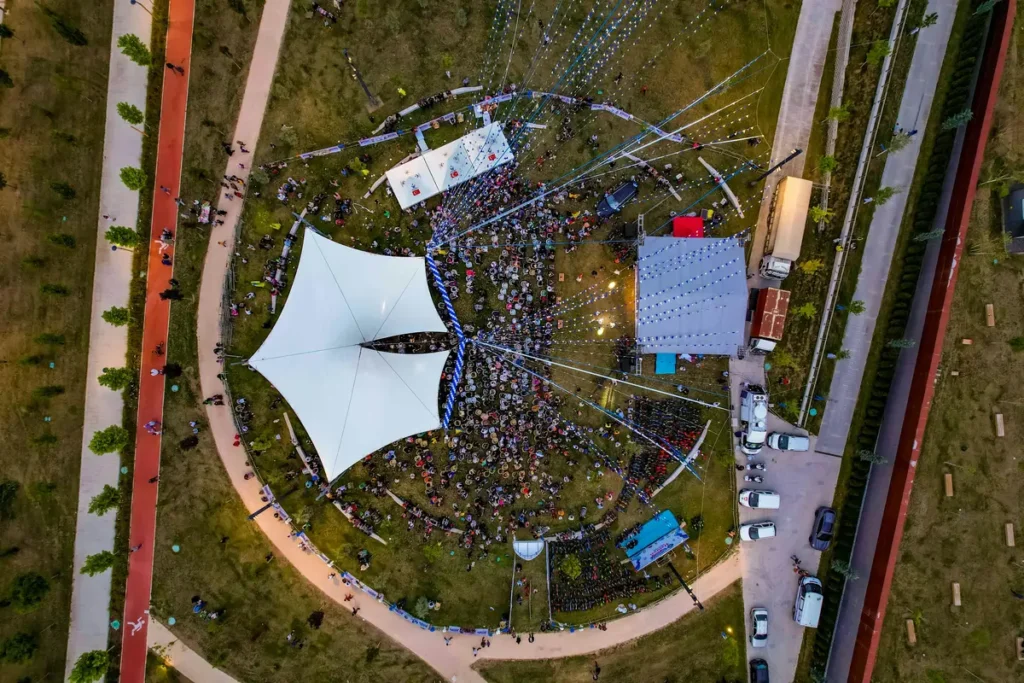
From festivals to resorts, aerial imagery captures crowd size, layout, and ambiance. It is ideal for post-event promotion and brand storytelling.
This is the category GCES excels in. Aerial pairs with the studio’s on-ground photo activations, 360 video, and roaming coverage to tell a complete story of the brand experience. The wide-angle drone reveals the venue. The on-ground coverage shows the guests inside it.
| Industry | Primary goals | Typical aerial shots |
|---|---|---|
| Real estate | Show location & surroundings | Property boundaries, neighborhood context |
| Construction | Progress & portfolio | Site overviews, before/after angles |
| Retail & hospitality | Brand atmosphere | Venue scale, guest experience |
| Events | Crowd & layout | Full-site views, movement shots |
For events and experiential campaigns, GCES frequently combines aerial photography with on-ground photo activations, creating a more complete visual narrative for a complete brand experience.
Why Commercial Aerial Photography Works
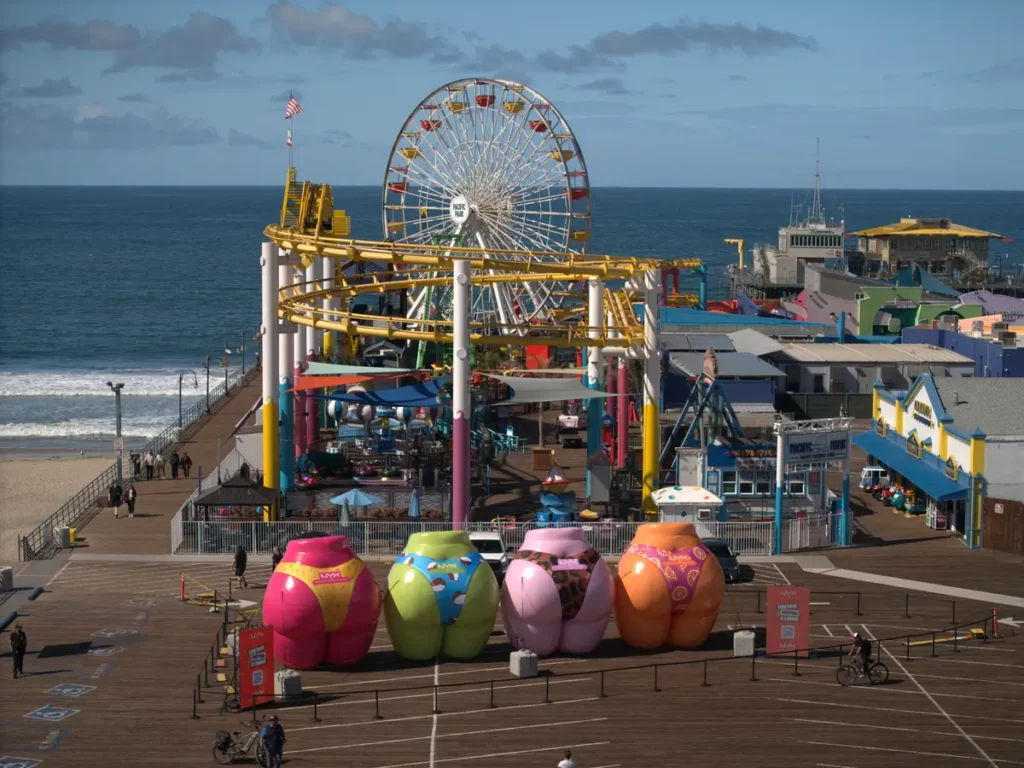
Why does the overhead shot consistently outperform a polished ground photo on the same channel? It comes down to attention, context, and reuse.
Aerial visuals are effective because they:
- Capture attention quickly with unique viewpoints
- Tell a fuller story by showing context and environment
- Increase engagement across digital platforms
- Enhance brand perception through polished, professional imagery
| Benefit | Impact on marketing |
|---|---|
| Unique perspective | Stops scrolling and grabs attention |
| Contextual storytelling | Shows “where” and “how big” instantly |
| Professional polish | Elevates brand perception |
| Multi-channel reuse | Works across web, social, print & video |
Here is the part most brands miss. These benefits compound when the shoot is planned strategically, not when it is bolted on. A single well-planned flight can feed a hero banner, a 15-second cutdown for paid social, an investor slide, and a print insert. A poorly planned one yields a single beautiful image that lives on the agency hard drive.
That compounding effect is what turns aerial photography from a one-off expense into a long-term content asset.
What to Expect from a Professional Aerial Photography Shoot
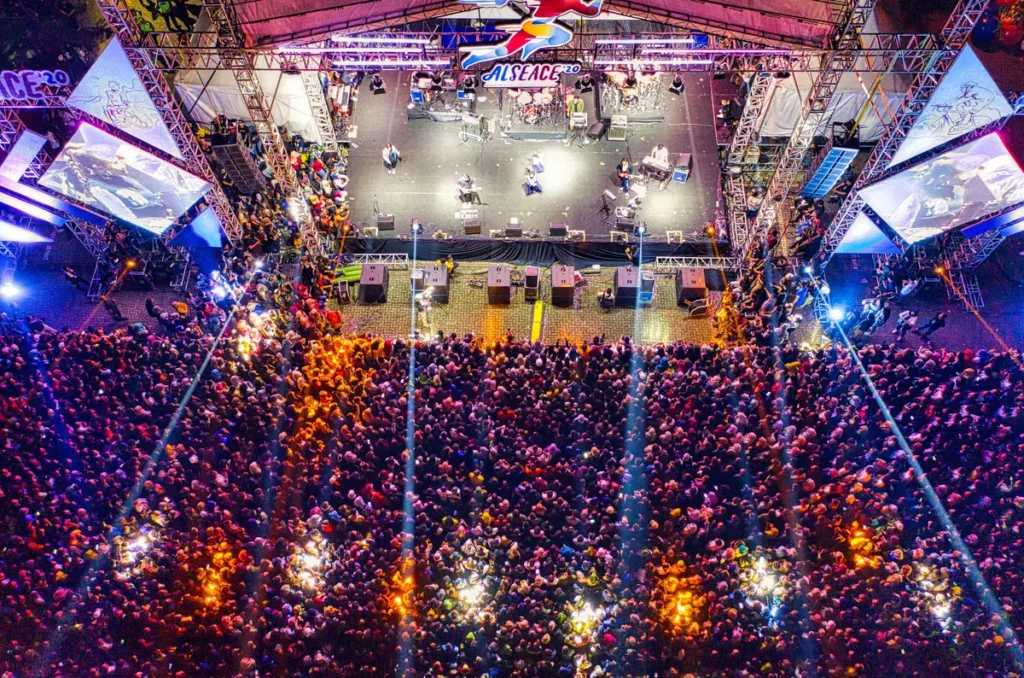
If you have never commissioned a business drone photography project before, the process can feel complicated. It does not have to be. A typical commercial shoot follows a clear four-stage workflow designed to keep production organized, compliant, and aligned with marketing deliverables.
A typical commercial shoot includes:
- Pre-shoot planning: Goals, locations, and shot lists
- Flight & capture: Safe, compliant drone operation
- Post-production: Editing, color correction, and formatting
- Delivery: Images or videos optimized for web, social, or print
Usage rights and formats are usually agreed upfront to match marketing needs.
GCES places strong emphasis on pre-shoot planning, so aerial visuals can be reused across campaigns, platforms, and time, not just for one-off use.
How to Choose the Right Commercial Aerial Photography Partner
Most of the cost difference between a bad aerial vendor and a good one shows up after the shoot, not in the invoice. Three failure modes worth knowing before signing anything.
Failure mode #1
The $300 drone guy
Quote looks great. No insurance the venue will accept. No Part 107 license on file. No backup pilot. No contract. Day-of risk transferred to you. Footage might not be usable and paperwork is a mess.
Failure mode #2
The pretty-footage problem
Technically excellent pilot. The footage comes back gorgeous. But nobody asked what it was for. You end up with a folder of beautiful clips in the wrong aspect ratio for everywhere they need to live, with no through-line to the campaign.
Failure mode #3
The vanishing vendor
Books the date. Doesn’t return calls the week of. Reschedules twice. Shows up late or cancels day-of. Your venue access window closes. There is no recovery from a no-show in this category.
When selecting a provider, look for:
- Relevant industry experience and portfolio examples
- Proper licenses, insurance, and safety practices
- Understanding of brand and marketing objectives, beyond the ability to fly a drone well
A good partner focuses on outcomes rather than visuals alone.
| What to check | Why it matters |
|---|---|
| Relevant portfolio | Shows understanding of your industry |
| Licensing & insurance | Ensures legal and operational safety |
| Marketing-first thinking | Focuses on business outcomes |
| Integration capability | Works with campaigns, not in isolation |
GCES differentiates itself by combining aerial photography expertise with experiential and brand activation knowledge, allowing visuals to serve broader marketing goals.
This is also where GCES differs from a pure drone vendor. We combine aerial photography expertise with experiential and brand activation knowledge, which means the visuals serve broader marketing goals rather than living as a standalone deliverable.
A drone shot of an empty venue is a photo. A drone shot of your brand activation in full swing, edited and color-graded for your campaign, is a marketing asset.
When Commercial Aerial Photography Makes Sense
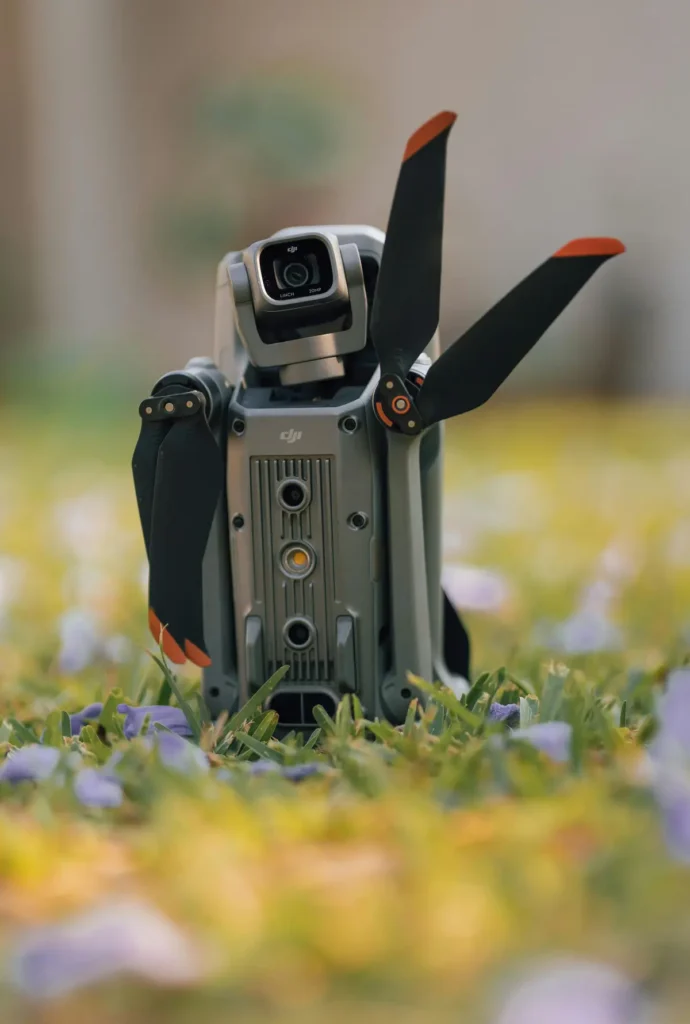
Commercial aerial photography is most effective when brands need to show scale, location, or impact quickly. Think large venues, sprawling activations, multi-acre construction sites, hospitality properties, or any moment where the size and context of the thing is part of the story you are selling.
The honest read on when it doesn’t earn its place: if the brand has nothing to communicate that benefits from scale or context, or if the asset will only live in one channel, for one quarter, the math gets harder. Briefed well, aerial becomes one of the highest-leverage assets in a marketing budget.
Common Questions About Commercial Aerial Photography
Is commercial drone photography legal?
Yes, when conducted by licensed operators following local aviation regulations. In the United States, that means flying under FAA Part 107 rules with a certified Remote Pilot, registered aircraft, and any required airspace authorizations. A reputable partner will handle all of this for you and provide proof of certification on request.
How much does commercial aerial photography cost?
Costs vary by shoot complexity, location, and intended usage, but pricing typically reflects three things: planning time, flight time, and post-production. A simple property shoot is on the lower end. A full-day brand activation with multiple flights, custom edits, and broad usage rights sits higher. The right way to scope it is to start with the deliverables you need and work backward to the shoot.
How long does a shoot take?
Many shoots are completed within a few hours, with edited assets delivered shortly after. Larger productions, especially those covering events or multi-location campaigns, can take a full day or more on site, with edited deliverables landing within one to two weeks depending on the volume of footage and the editing scope.
Bringing It All Together
Aerial visuals are no longer a luxury layer added at the end of a campaign. For brands competing in real estate, construction, hospitality, and experiential marketing, commercial aerial photography has become one of the most reusable, high-leverage content investments you can make in a single production day.
The brands that get the most out of it are the ones that plan it as a marketing asset from the start. That is exactly the lens GC Event Studio brings to every flight.
If you are planning an activation, launch, or brand campaign and want aerial visuals that work as hard as the rest of your marketing, reach out to our team or call (844) 844-4160. We are happy to help you map a shoot that fits your goals, your timeline, and your budget.