Some of the most talked-about brand moments of the last few years did not happen in a TV ad or a social feed.
They happened in a temporary space that appeared for a few days, drew a line around the block, and then disappeared. That is the pull of a good pop-up.
Pop-up and retail activations have become one of the most effective ways for brands to meet people in person, create something worth sharing, and turn a product into an experience.
They work for beauty launches, sportswear drops, food brands, and everything in between.
This guide explains what these activations are, shares real examples that worked, and walks you through how to run one of your own.
What Is a Pop-Up or Retail Activation?
A pop-up is a temporary physical space a brand opens for a limited time, often a few days or weeks.
A retail activation is any branded experience set up inside or alongside a retail environment, from a shopping center to a flagship store.
The two overlap often, and the goal is usually the same. Rather than simply selling a product, you give people a reason to show up, take part, and remember the brand afterward.
What separates an activation from an ordinary shop is the experience. A pop-up is designed to be seen, enjoyed, and posted about, not just walked through.
Why Brands Use Pop-Ups and Retail Activations
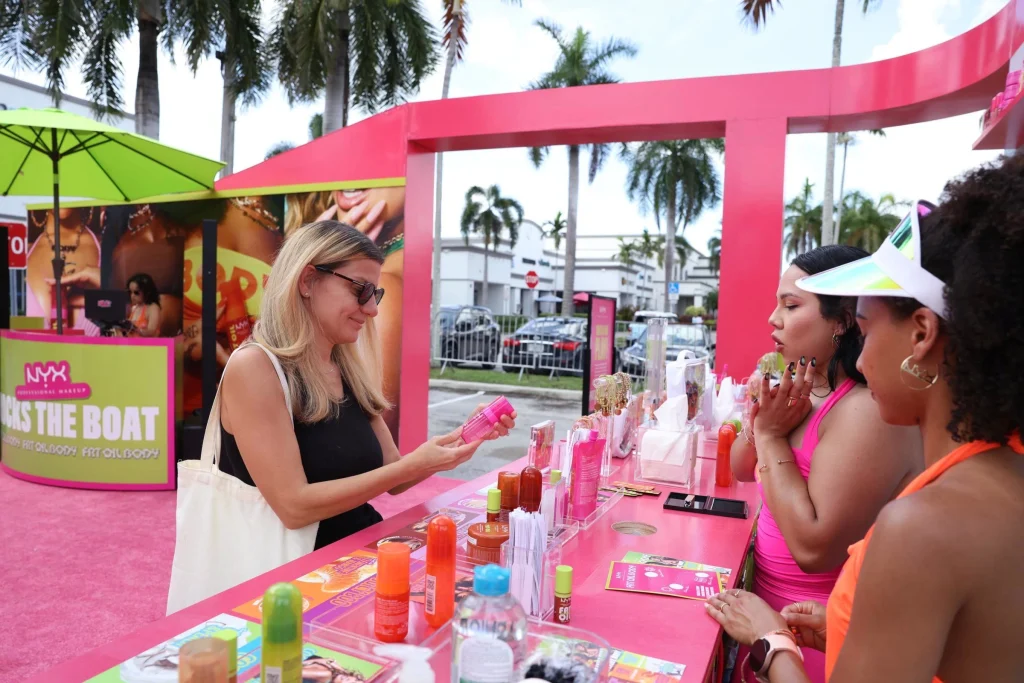
Pop-ups give a brand something digital channels cannot: a real, physical moment that people choose to spend time in. That time builds a connection no banner ad can match.
They also create urgency. Because the space is only around for a short while, people make the effort to visit before it is gone.
And because the experience is designed to be shared, every visitor becomes a small broadcaster for the brand, carrying it to everyone who follows them.
For many brands, a pop-up is also a testing ground. It is a low-risk way to try a new market, launch a product, or see how people react to an idea in person before committing to something bigger.
Pop-Up and Retail Activation Examples That Worked
The best way to understand what makes an activation land is to look at a few that did. Each of these worked for a different reason.
Fenty Beauty, Gloss Bomb Shop: Fenty opened a pop-up in SoHo dedicated to a single product line. By building an entire space around one hero product, the brand made the launch feel like an event and gave fans a reason to visit and share.
The lesson is that you do not need a huge catalog to create excitement. One product and a strong concept can be enough.
IKEA, 40th anniversary :To mark forty years in the US, IKEA brought its dinner-party idea to life for shoppers in Manhattan for a month. Instead of showing furniture, it allowed the people to experience the feeling of using it. The lesson is that selling the experience around your product often beats selling the product itself.
American Express at Coachella: Amex built a members-only pop-up where cardholders could make keepsakes and take photos.
By making it exclusive, the brand turned access into a perk and rewarded loyalty in a way people wanted to show off. The lesson is that exclusivity can be a powerful draw when it feels earned.
Valentino Beauty, Spike Me: Valentino introduced an augmented reality lipstick photo booth in New York, blending a product trial with a shareable, high-tech moment.
The lesson is that the right technology can turn a simple product demo into content people actively want to post.
KFC, Nugget Dispensary: KFC leaned into culture with a playful, limited pop-up that got people talking and earned far more attention than the small footprint suggested.
The lesson is that a bold, on-brand idea can generate buzz well beyond the people who actually attend.
The thread running through all of them is simple. None of these were just shops. Each one gave people an experience worth their time and a moment worth sharing.
How to Run a Pop-Up or Retail Activation
A great activation looks effortless, but it is the result of careful planning. Here is how to approach it, step by step.
1. Start with a clear goal
Before anything else, decide what the activation is for. You might want to launch a product, build awareness in a new city, collect leads, or reward existing customers.
Your goal shapes every decision that follows, so write it down and keep it in front of you.
2. Choose the right location and audience
Location is everything with a pop-up. Pick a spot where your audience already spends time, whether that is a busy shopping district, a festival, or a specific neighborhood.
High foot traffic helps, but relevance matters more. A smaller crowd of the right people beats a large crowd of the wrong ones.
3. Build the concept around an experience
This is where most activations succeed or fail. Do not just display your product. Give people something to do, see, or feel.
Think about the one moment you want every visitor to walk away talking about, and design the space around it.
Interactive elements, bold visuals, and a strong theme all help bring it to life.
4. Design a moment people want to share
Every visitor is carrying a camera and an audience, so give them a reason to use both. A custom backdrop, an AI photo booth, or a 360 video booth turns a visit into branded content that spreads far beyond your space.
Tie the photo moment to a quick sign-up and you capture leads at the same time.
5. Staff it with the right people
The people running your pop-up are the face of your brand for its entire run. Choose friendly, knowledgeable staff who can explain the product, guide the experience, and keep the energy up.
A great space with disengaged staff falls flat quickly.
6. Promote it before, during, and after
Do not rely on foot traffic alone. Tease the pop-up on social media beforehand, post from it while it is live, and keep sharing the content afterward.
The physical space may only last a few days, but the content it creates can work for weeks.
7. Measure what happened
Decide how you will track success before you open, then follow through. Depending on your goal, that might mean counting visitors, leads captured, products sampled, social shares, or sales.
Measuring results is what turns a fun event into proof you can take to your next budget conversation.
Common Mistakes to Avoid
A few predictable missteps trip up first-time activations, and all of them are easy to avoid.
The first is treating the pop-up as a store instead of an experience. If there is nothing to do but look and buy, people will not stay or share.
The second is forgetting about shareability, which leaves all that in-person energy trapped in the room. The third is skipping measurement, so you end the run with good feelings but no evidence of what it achieved.
Plan around the experience, build in a moment worth posting, and decide what you are measuring up front. Get those three right and the rest tends to follow.
How GC Event Studio Helps
Running a pop-up or retail activation is a lot to manage, and the experience is the part that makes or breaks it. That is exactly where we come in.
GC Event Studio helps brands design the moments guests remember and share, from AI photo booths and 360 video booths to custom backdrops and fully branded environments.
We build the interactive, shareable heart of your activation so your team can focus on the product and the people. You can explore the full range of options on our brand activation page.
We have brought that approach to pop-ups and retail activations for some of the world’s most recognizable brands:
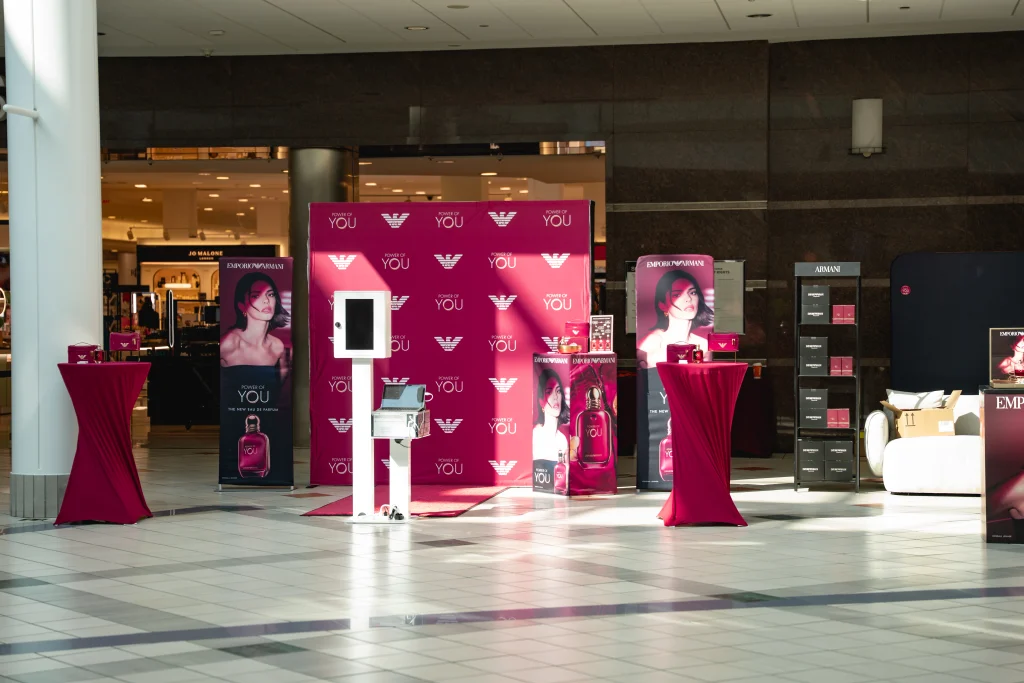
- Emporio Armani, The Power of You at Macy’s: an immersive, step-inside brand activation built around Emporio Armani’s The Power of You campaign, produced from concept to final detail. Elegant, immersive, and unmistakably Armani, with a photo moment that let guests become part of the campaign.
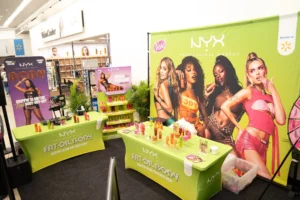
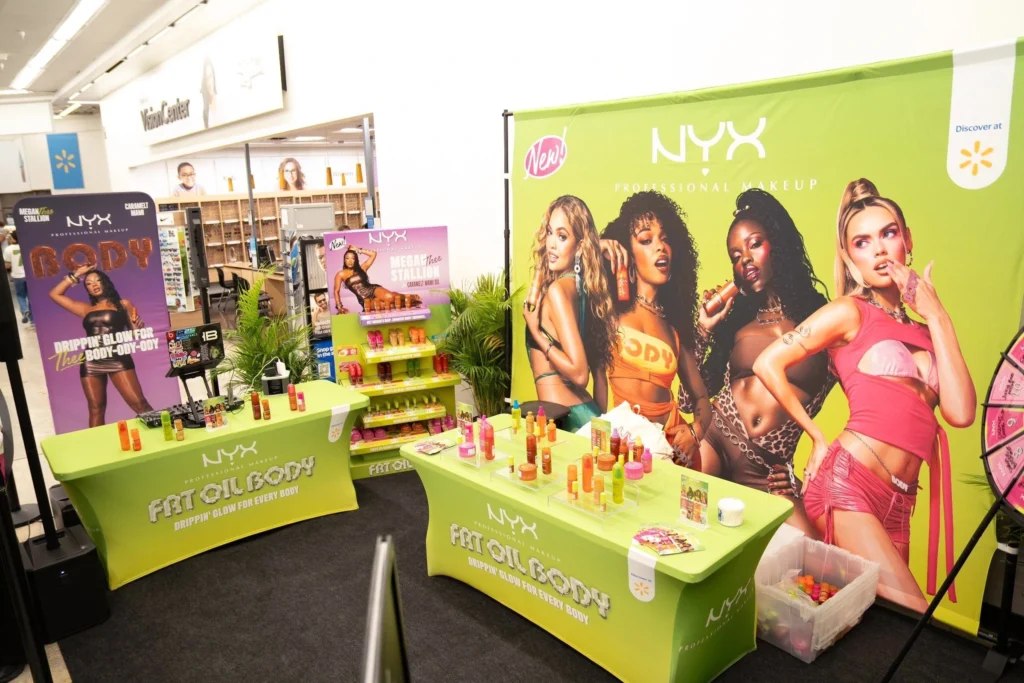
- NYX Professional Makeup at Walmart: the Fat Oil Body beauty pop-up inside Walmart, with a spin-the-wheel prize game, the new Hair and Body Fragrance Mists, and a Megan Thee Stallion glow moment. A great example of turning a routine retail trip into an interactive product launch.
- Urban Decay at Allen’s Boots: a full store takeover of the iconic Allen’s Boots on South Congress in Austin to launch the All Nighter Setting Spray Collection, letting guests get up close with the full All Nighter lineup in a setting that made the brand stand out.
To plan a pop-up or retail activation that people actually want to visit and post about, contact us today.
Frequently Asked Questions
What is the difference between a pop-up and a retail activation?
A pop-up is a temporary branded space a brand opens for a limited time.
A retail activation is a branded experience set up in or around a retail environment. They overlap often, and both aim to turn a product into an experience rather than a simple transaction.
How long should a pop-up run?
It depends on your goal. Many pop-ups run for a few days to a few weeks. A short, high-energy run creates urgency, while a longer one gives more people the chance to visit. Choose the length that fits your audience and budget.
How much does a pop-up or retail activation cost?
Costs vary widely based on location, size, build, staffing, and the experiences you include. The key is to match your budget to your goal, and to invest in the parts guests actually remember, such as the interactive and shareable moments.
How do I make my activation go viral on social media?
Design a specific moment that people want to photograph and share, and make it effortless to do so. Interactive formats like AI photo booths and 360 video booths are reliable ways to turn visitors into content creators for your brand.
What types of brands benefit most from pop-ups?
Almost any brand can benefit, but pop-ups are especially effective for product launches, beauty and fashion, food and drink, and any brand that wants to build awareness or test a new market in person.